

Manufacturing and E-commerce Integration: A Key Driver of Modern Industrial Competitiveness

The integration between manufacturing and e-commerce has become a key factor in industrial competitiveness. Today, the ability to produce efficiently is no longer enough: it is essential to strategically connect industrial operations with the digital channel.
Industry and e-commerce are not independent areas. When they work in alignment, they generate information, efficiency, and sustainable competitive advantage.
Manufacturing and the digital channel: from isolated processes to connected systems
The growth of e-commerce has shortened the distance between manufacturers and end customers. This direct connection provides something particularly valuable: data.
Sales, browsing behavior, reviews, and repeat purchases make it possible to identify real demand patterns. When this information reaches industrial teams, it translates into more precise decisions in design, planning, and production processes.
The result is a more agile model, where manufacturing and e-commerce continuously feed into each other.
More efficient and market-oriented production
The integration between industry and the digital channel allows for more accurate planning and reduces operational uncertainty.
Among the main impacts are:
Adjusting production to real demand.
Inventory optimization and reduction of excess stock.
Improved manufacturing and delivery times.
Greater traceability and quality control.
This approach reduces internal friction and improves the ability to respond to market changes. It is not just about selling online, but about integrating digital information into industrial decision-making.
A consistent experience from start to finish
One of the biggest challenges in omnichannel environments is consistency. When manufacturing and e-commerce operate separately, mismatches occur between what is communicated and what is delivered.
Integration allows the alignment of value proposition, operations, and customer experience. The product presented in the digital environment accurately reflects what is manufactured. This strengthens trust, reduces incidents, and builds long-term relationships.
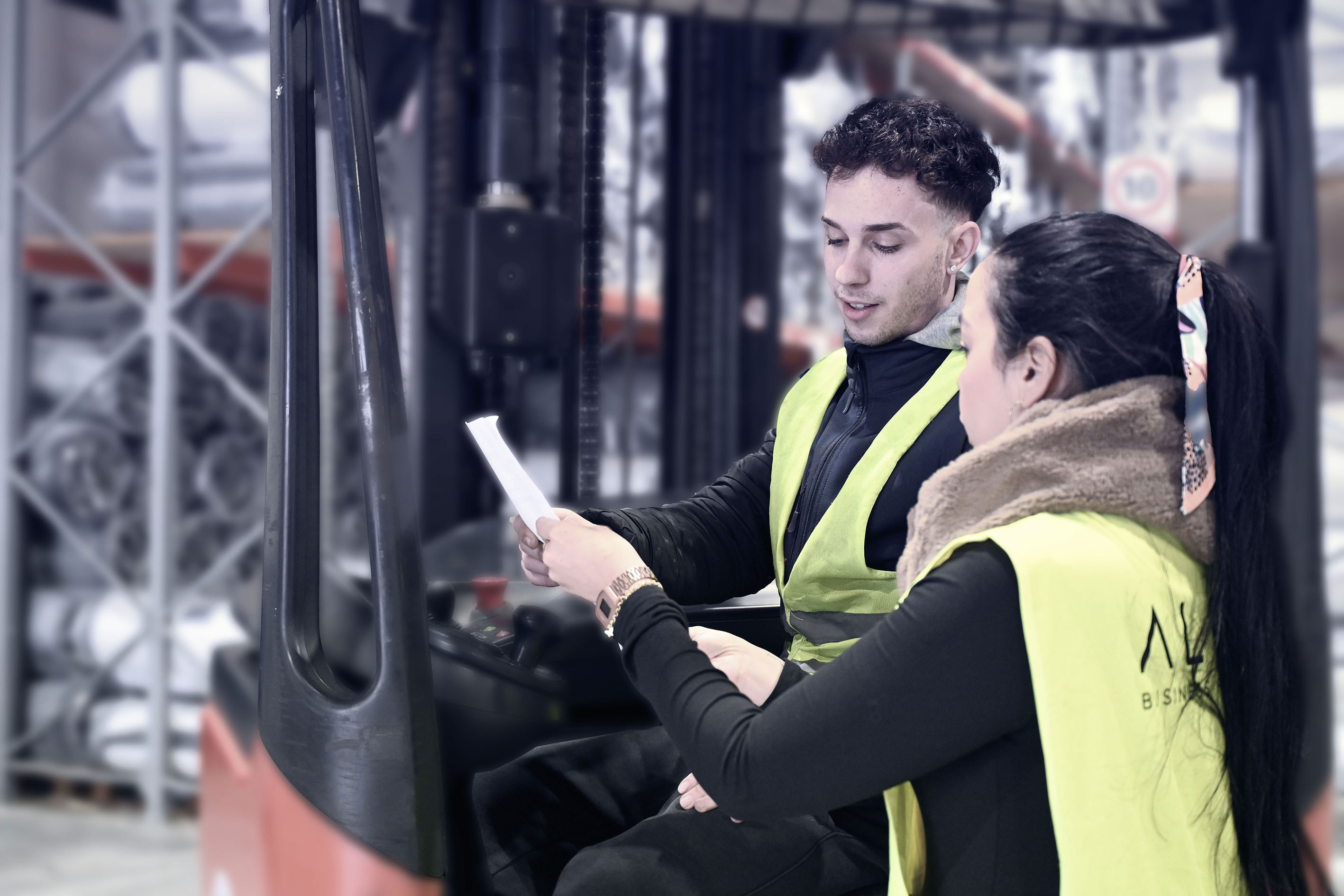
Customer experience is no longer solely the responsibility of the commercial area; it becomes a direct result of the alignment between strategy, industry, and digital.
The role of the holding: scaling knowledge and accelerating execution
For a holding company with a presence in different sectors, the integration between manufacturing and e-commerce is also a cross-functional efficiency driver.
It allows companies to:
Share learnings between brands.
Standardize operational best practices.
Optimize industrial and digital processes.
Accelerate technological adoption.
A global vision makes it easier to anticipate market changes and apply proven solutions across different segments. This coordinated execution capability strengthens a solid and consistent value proposition across the entire group.
Industry and digital: an integrated vision for the future
Industry is evolving towards more connected, more efficient, and more data-driven models. In this context, the integration between manufacturing and e-commerce is not a temporary trend, but a structural transformation.
Organizations that successfully align industrial operations with the digital channel not only improve efficiency, but also strengthen their competitive position and adaptability.
Industry and digital do not compete. They complement each other. And when they move forward together, they generate real and sustainable value.